


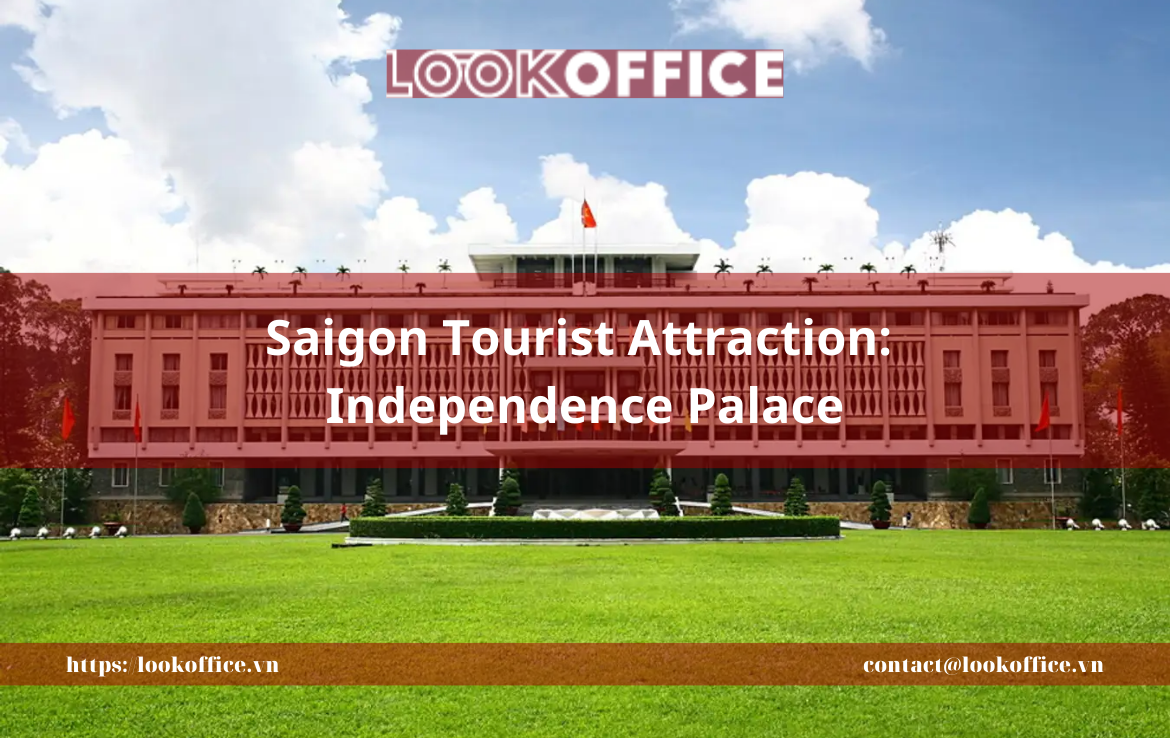
Independence Palace is a historical relic that preserves the proud milestones of our nation in the struggle to defend the country. With that great meaning, this place always attracts a lot of tourists from all over the world to visit the Saigon tourist attraction. Tourists come here to visit, take souvenir photos, and learn more about the country’s heroic history.
General introduction about Independence Palace in Saigon tourist attraction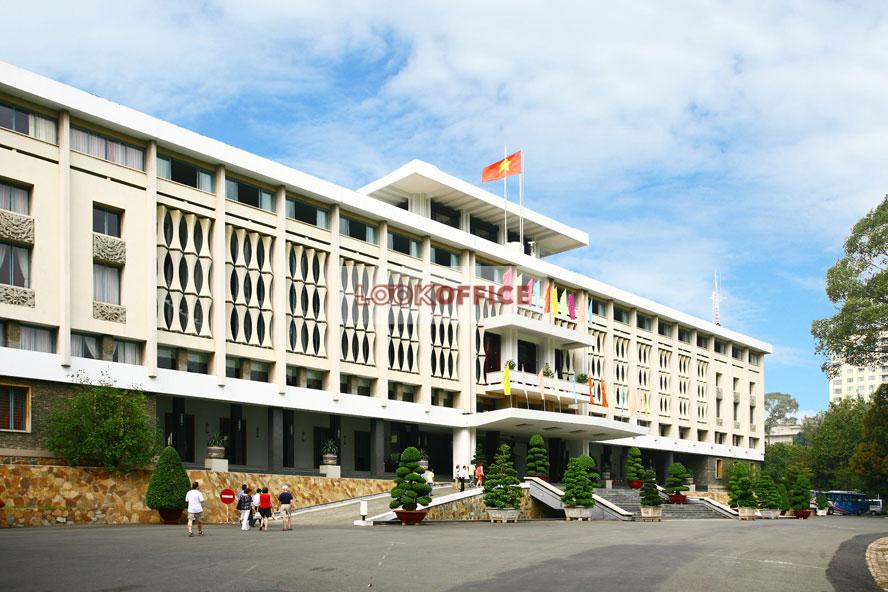
This place is also known by many other names such as the Reunification Palace, the Governor General’s Palace, or the Governor’s Palace. The palace was built on the design of architect Ngo Viet Thu and was once the residence of the President of the Republic of Vietnam. It has unique architecture and is considered the most beautiful villa in Asia.
In fact, the Reunification Palace was first built during the French colonial period, in 1868, by the Governor of Cochinchina Lagrandière as a groundbreaking ceremony. But in 1962, the main part of the left wing and the gate of the Palace was completely destroyed by bombs. After that, Ngo Dinh Diem decided to level and rebuild the mansion right on the old ground. The building is still very well preserved to this day.
The mansion consists of 3 main floors with a ground floor, a mezzanine, 2 basements, and a terrace for helicopters to land. Inside, there are more than 100 rooms decorated in different styles depending on the purpose of use. In, there are rooms such as the Cabinet meeting room, the ceremony room, the room for the presentation of the National Letter, the banquet room, the gallery, etc.
In terms of history, the Independence Palace is not only an important historical witness but also a symbol of the country’s territorial integrity. Because, this is where the flag of the National Front for the Liberation of South Vietnam was raised, marking the victory of the struggle to liberate the South – reunify the country. Because of that important historical significance, the relic has been recognized as one of the 10 special national monuments of the country.
The unique architecture of the Reunification Palace
When designing the mansion, architect Ngo Viet Thu wanted to create a work of cultural significance. Therefore, from the interior, and electricity bills to the outside landscape, all are bold oriental cultures mixed with modern design styles. Specifically, the architecture of the building is modeled after Sino-Vietnamese words with good meanings such as the word CAT (meaning auspicious) which is the shape of the entire mansion, or the eaves with dashes that create In the shape of the letter TAM, only humans have all 3 elements of Humanity, Minh, and Vo.
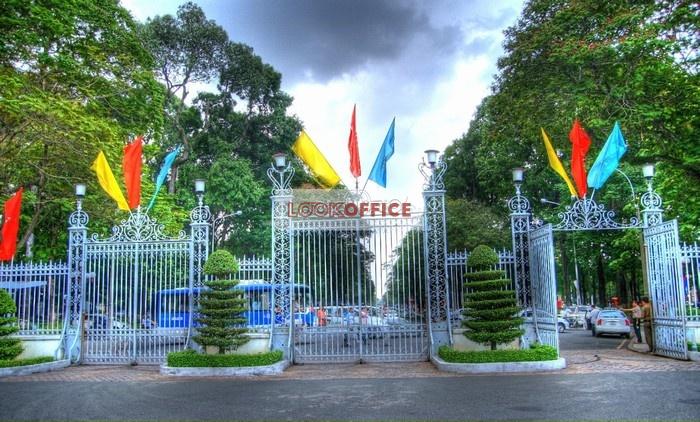
When you first enter the palace gate, you will see the impression of green oval grass in the front yard area. In addition, there is a semicircular lake planted with lotus and water lilies, two symbolic flowers of our nation.
The second floor of the Independence Palace is covered by a stone flower curtain, recreating the image of ethereal bamboo trees, both adding to the art of the architecture and helping sunlight to penetrate into the interior space. in. All the decorative lines on the inside use a straight window, meaning to take “the great light” as the original.
The workplace of the President of the Republic of Vietnam is located in the main T-shaped building, with an area of 4500m2 and a height of 26m2. This building consists of 3 floors and 95 rooms, some of which are still in use today. If you go from Nguyen Thi Minh Khai Street, you will see an octagonal house built on a high mound with an ancient tiled roof and no walls. This is a place to cool off, relax and also a super beautiful check-in point at the Reunification Palace.
Explore the inside of the Independence Palace of the Saigon tourist attraction
With a total area of up to 120,000 m2, this place in the Saigon tourist attraction is divided into 3 different subdivisions with their own unique features. Therefore, when you come here, you will admire the beauty of the architectural works and visit the exhibits of historical value.
Fixed Area
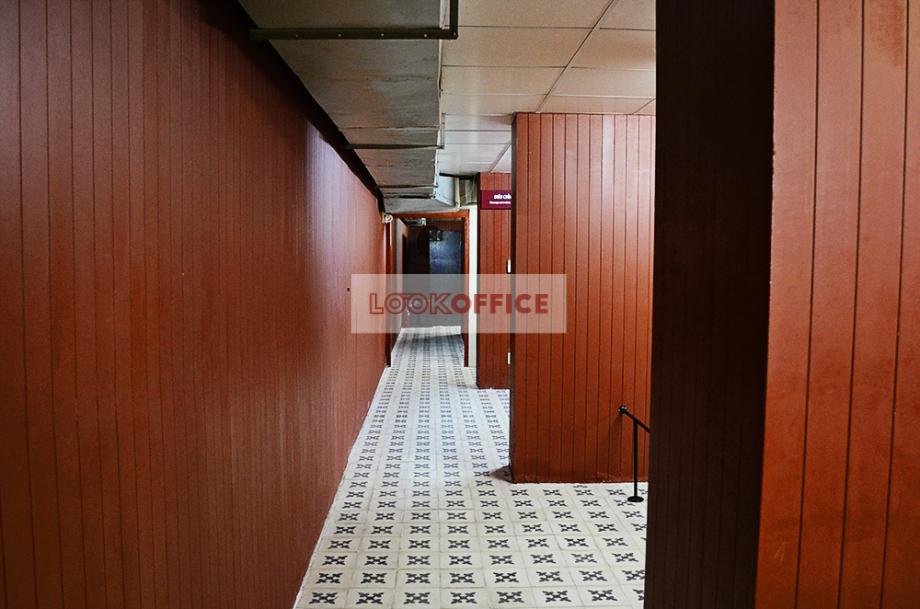
The fixed area consists of 100 rooms with separate decoration styles, including the cabinet room, the great saddle room, the credential presentation room, the office, and the bedroom of the president’s family,… This is the main room. was the working and living place of the government of the former Republic of Vietnam. When visiting this area, you will see historical relics that vividly recreate the fierce war of our nation.
Thematic area
The thematic area is home to large exhibitions, helping visitors to look back on vivid historical moments of the previous period. There are many famous historical topics on display here such as the Ho Chi Minh campaign, the Paris Agreement, the Ho Chi Minh Road, etc. To understand the historical events and the deep meaning hidden in those details, you should hire a tour guide to accompany you. Surely this interesting knowledge will be very hard to find in ordinary books.
Additional Zone
In the additional area, you will find a lot of historical photos kept by the people from the heroic resistance wars until the country’s independence. This collection is very carefully preserved in order to help future generations look back on the historical events of the nation in the most authentic way. Through the photos taken, visitors can feel the unyielding and indomitable fighting spirit of their forefathers, who sacrificed their blood and blood for our peaceful life.
Significant historical artifacts
In addition to the 3 buildings introduced above, you will find inside the Independence Palace that displays many artifacts of historical significance. Including 2 bombs thrown by pilot Nguyen Thanh Trung at the Palace, President Nguyen Van Thieu’s UH-1 helicopter, or jeeps used to transport President Duong Van Minh, along with many tanks and machines. other combat aircraft. In addition, there are also outstanding artworks such as the painting of Thuy Kieu sisters, an oil painting depicting the scene of a Vietnamese village by Ngo Viet Thu,…
You can read the previous article here: Ho Chi Minh City Life: Why HCMC is worth living
Or follow us on Facebook





Join The Discussion
You must be logged in to post a comment.